Termites are small but highly destructive insects that play a major role in ecosystems but often cause serious damage to human property. These social insects live in 滅白蟻 and feed primarily on cellulose, the organic compound found in wood, paper, and plant material. While termites contribute positively to the environment by breaking down dead trees and enriching the soil, they can become a nightmare for homeowners when they infest buildings. Their ability to silently damage wooden structures makes them one of the most feared pests across the globe.
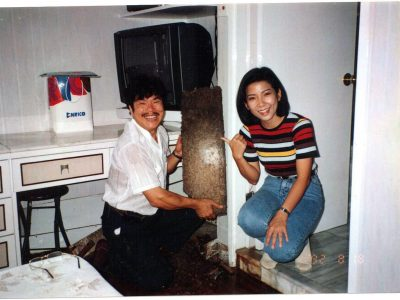
Termites are divided into three main categories: subterranean, drywood, and dampwood. Subterranean termites live underground and build mud tubes to travel to their food source. They are considered the most destructive, as they can infest homes in large numbers and cause significant structural damage. Drywood termites, on the other hand, live directly in the wood they consume and do not require soil contact. They are usually harder to detect since they do not build visible mud tubes. Dampwood termites thrive in moist, decaying wood and are less likely to attack dry, well-maintained structures. Each type has its unique habits, but all share a common trait: the ability to consume cellulose-based materials, which makes furniture, flooring, and wooden frameworks highly vulnerable.
The damage caused by termites is often underestimated because they work silently and gradually. A colony can number in the millions, with worker termites continuously feeding on wood around the clock. Unlike ants or cockroaches, termites do not leave obvious signs of their presence until the infestation is severe. Hollow-sounding wood, blistering paint, small piles of wings, and mud tubes are some of the subtle signs that termites may be present. By the time these signs are noticed, significant damage may have already occurred. Globally, termites are responsible for billions of dollars in property damage every year, highlighting the importance of prevention and early detection.
Controlling termites requires a combination of preventive measures and professional treatment. Prevention starts with reducing moisture around a home since damp environments attract termites. Fixing leaky pipes, ensuring proper drainage, and ventilating crawl spaces are effective steps. Storing firewood away from the house and sealing cracks in foundations can also help reduce the risk of infestation. For homes already infested, professional pest control companies offer solutions such as soil treatments, bait systems, and direct wood applications. Chemical barriers in the soil prevent termites from entering a structure, while baiting systems lure and eliminate entire colonies. These methods, when combined with regular inspections, provide long-term protection against termite damage.
Despite their reputation as destructive pests, termites also have an ecological role. In forests, they recycle dead plant material, breaking down tough cellulose into nutrients that enrich the soil. This process supports plant growth and contributes to the balance of ecosystems. Some cultures even use termites as a source of food or traditional medicine. However, when their natural behavior collides with human structures, the consequences can be financially devastating. Balancing their ecological benefits with the need to protect human property remains an ongoing challenge in pest management.
In conclusion, termites are fascinating yet destructive insects that demand attention and preventive care. Understanding their behavior, recognizing the signs of infestation, and taking proactive steps can save homeowners from costly repairs. While they serve an important role in nature by decomposing organic matter, their ability to compromise buildings makes them one of the most significant structural pests worldwide. Homeowners should remain vigilant, seek professional advice when necessary, and invest in prevention to ensure their property stays protected. By acknowledging both the risks and ecological roles of termites, we can approach them not just as pests but as part of a broader environmental cycle that requires careful management.