Maintaining good oral health is crucial for overall well-being, yet it is often overlooked in daily routines. Dental care is more than just about having a bright 屯門牙科醫生 or fresh breath; it impacts not only the mouth but also the entire body. Regular dental checkups, brushing, flossing, and making smart dietary choices are all essential to preventing common dental issues such as cavities, gum disease, and tooth loss. This article explores the significance of dental care, its benefits, and how to maintain optimal oral health.
One of the fundamental aspects of dental care is regular brushing. Brushing teeth twice a day with fluoride toothpaste helps remove food particles and plaque from the teeth, reducing the risk of cavities and gum disease. Plaque, a sticky film of bacteria that forms on teeth, can lead to the development of harmful acids that erode tooth enamel and cause tooth decay. Proper brushing techniques, such as using a soft-bristled toothbrush and making gentle circular motions, ensure that all surfaces of the teeth are cleaned effectively.
Flossing is another essential part of maintaining oral health. While brushing removes plaque and food particles from the surfaces of teeth, flossing reaches the areas between the teeth that a toothbrush cannot reach. By flossing daily, individuals can prevent the buildup of plaque between the teeth, which is a common cause of gum disease and cavities. Gum disease, also known as periodontal disease, starts with inflammation of the gums and can lead to tooth loss if left untreated. Regular flossing, along with brushing, is crucial to avoid such complications.
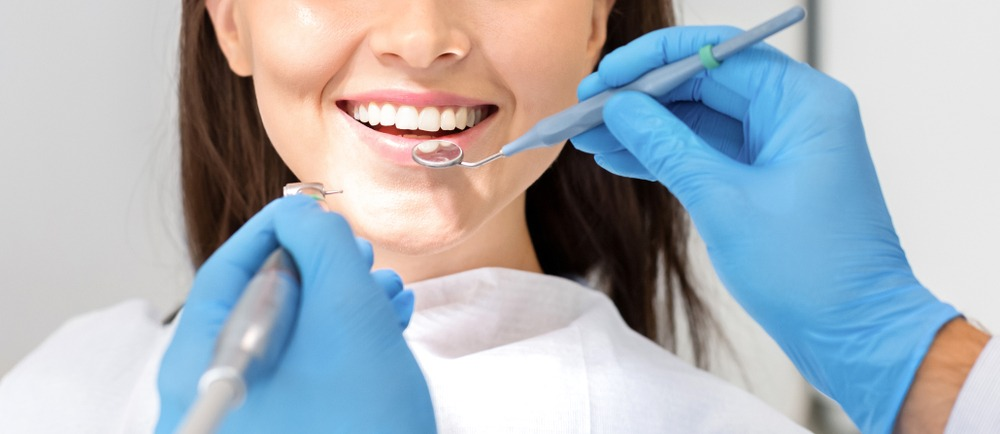
Routine dental checkups are equally important for maintaining optimal oral health. Dentists can detect early signs of dental problems that may not be visible to the naked eye. Regular visits allow for the early treatment of issues such as cavities, gum disease, and even oral cancer. Dentists also perform professional cleanings to remove tartar that cannot be eliminated through regular brushing and flossing. These cleanings help prevent gum disease and keep the teeth in good condition.
In addition to brushing, flossing, and dental checkups, a balanced diet plays a significant role in maintaining good oral health. Foods high in sugar and acid can lead to tooth decay, as they feed the bacteria in the mouth that cause plaque buildup. It is essential to limit sugary snacks and beverages, especially between meals. Foods rich in calcium, like dairy products, can help strengthen the teeth, while fruits and vegetables promote saliva production, which naturally cleans the mouth. Drinking plenty of water throughout the day also helps wash away food particles and bacteria, keeping the mouth clean.
Smoking and excessive alcohol consumption can have a detrimental effect on oral health. Smoking increases the risk of gum disease, tooth discoloration, and oral cancer. It also reduces blood flow to the gums, making it harder for them to heal after dental procedures or injury. On the other hand, excessive alcohol consumption can dry out the mouth, leading to reduced saliva production, which increases the likelihood of tooth decay and gum disease. Quitting smoking and moderating alcohol intake are crucial steps in protecting oral health.
In conclusion, maintaining good dental care is essential for overall health. Brushing, flossing, regular dental checkups, a healthy diet, and avoiding harmful habits like smoking can significantly reduce the risk of dental problems and improve the quality of life. By adopting a comprehensive approach to oral hygiene, individuals can enjoy a healthier mouth, fresher breath, and a brighter smile.