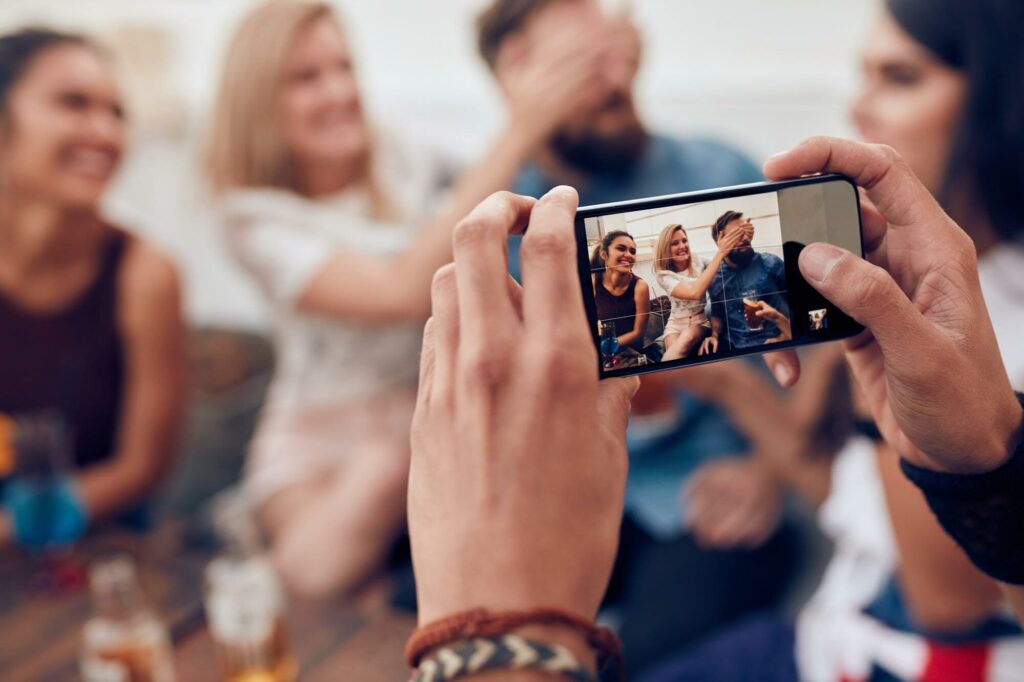
Photography has always been about freezing a moment in time, but the way we approach it has drastically changed. Gone are the days when one had to carry bulky equipment and wait for film to develop 手機拍照. Today, taking pictures with mobile phone has become the go-to method for capturing life’s moments. The device most people use to text, call, and browse the internet is now also one of the most powerful tools for creative expression.
The beauty of mobile photography lies in its simplicity. Unlike professional cameras that demand technical expertise, smartphones allow anyone to pick up their device and start shooting instantly. Whether it is a scenic view on a morning walk, a plate of delicious food, or a spontaneous smile from a loved one, a mobile phone camera ensures no special moment goes unnoticed. This accessibility has turned ordinary individuals into passionate photographers.
What makes taking pictures with mobile phone so appealing is the combination of convenience and technology. Modern smartphones are equipped with sophisticated features such as multiple lenses, artificial intelligence, and advanced image stabilization. These innovations allow even a beginner to capture crisp, detailed, and visually appealing photographs. The hardware works in harmony with smart software to automatically adjust brightness, contrast, and focus, making photography more effortless than ever before.
Mobile phones are particularly useful for documenting daily life. Unlike Dslrs, which people usually bring out only on special occasions, a mobile device is always within reach. Everyday scenes, from the laughter of friends to the colors of a sunset, can be captured instantly. This has redefined photography as not just an art form but also a daily practice of recording experiences. Taking pictures with mobile phone bridges the gap between ordinary and extraordinary moments.
Social sharing is another factor that fuels the love for mobile photography. The ability to upload photos instantly to platforms like Instagram, Facebook, and Twitter has created a global visual language. People no longer take photos just for themselves—they take them to connect with others. A single picture can travel across continents, telling a story, sparking emotions, or inspiring conversations. For many, photography is now about being part of a worldwide community of creators.
Lighting continues to play a crucial role, even with advanced camera technology. Mobile phones perform best in good natural light, making outdoor photography particularly rewarding. The golden hour, with its soft tones and long shadows, often results in breathtaking images. At the same time, night mode and artificial intelligence enhancements have made it possible to shoot in darker environments with surprisingly good results. Mastering light and shadow remains an essential skill for those serious about improving their craft.
Composition, too, is vital in taking pictures with mobile phone. A well-framed shot tells a story more effectively than a random click. Using techniques like symmetry, leading lines, or the rule of thirds helps create balance and depth. Mobile cameras often come with built-in grids to guide composition, making it easier for beginners to understand how to structure their photos. Thoughtful framing can elevate an image from being a simple snapshot to a work of visual storytelling.
Editing tools available on mobile devices have expanded the possibilities of photography. Apps like Lightroom, Snapseed, and PicsArt empower users to refine their images with just a few taps. Whether it’s enhancing colors, adjusting shadows, or applying filters, editing transforms photos into polished pieces of art. For some, this post-processing stage is where creativity truly shines, as it allows them to put a personal touch on every picture.
Another advantage of taking pictures with mobile phone is discretion. Carrying a large camera can make people self-conscious, but snapping a photo with a phone feels natural and unobtrusive. This is particularly useful in street photography, where capturing candid moments depends on blending into the surroundings. Smartphones allow photographers to document authentic life scenes without disturbing the environment.
The portability of mobile phones also makes them ideal for travelers. A smartphone is lightweight, easy to carry, and capable of capturing landscapes, architecture, and cultural moments without the need for extra gear. Travelers can instantly edit and share their experiences, creating digital travel diaries in real-time. For adventurers, this combination of convenience and quality is unmatched.
Businesses have also embraced mobile photography. Many small brands and entrepreneurs rely on smartphones to showcase their products online. Taking pictures with mobile phone reduces costs and makes it easier to maintain an active online presence. Customers are drawn to authentic, relatable images, which mobile photography naturally provides. In this sense, smartphones are not only creative tools but also powerful assets for marketing and communication.
While mobile photography is highly versatile, it does have some limitations. Professional cameras still outperform phones when it comes to extreme zoom, ultra-high resolution, and specialized shots like fast-moving sports photography. However, mobile technology continues to close the gap, with computational photography pushing boundaries every year. For most people, the capabilities of a smartphone are more than enough to produce remarkable photos.
The emotional value of mobile photography cannot be overlooked. Having the ability to document one’s life in such detail is something unique to this era. Photos taken with smartphones serve as memory keepers, storing stories of love, friendship, travel, and personal growth. Years later, these images become treasures that bring back emotions and remind people of who they were and what they experienced.
Looking ahead, the future of taking pictures with mobile phone is full of possibilities. Artificial intelligence will continue to enhance image quality, while augmented reality and virtual reality may merge with photography to create immersive experiences. Features like 3d photos, instant background changes, and even more powerful editing options are already in development. The line between professional photography and mobile photography is expected to blur even further.
For those aspiring to improve, the best advice is to keep practicing. Explore different perspectives, play with lighting, and try new editing techniques. The more one experiments, the more unique their photography style becomes. Remember, great photos don’t always come from the latest technology but from the photographer’s ability to see beauty in everyday life.
In summary, taking pictures with mobile phone has revolutionized the world of photography. It has made creativity accessible, allowed stories to be shared instantly, and given people the power to preserve memories at the touch of a button. From casual snapshots to professional-quality images, smartphones are proving to be more than just communication devices—they are creative companions in our journey through life.