Introduction to Self-Storage
In today’s fast-paced world, space has become one of the most valuable assets. Whether it is in urban apartments, family homes, or business offices, clutter can quickly take over and make living or working environments less efficient. This is where self-storage comes in as a practical solution. Self-storage refers to renting a secure unit or space from a facility where individuals or businesses can store belongings temporarily or long-term. These facilities provide convenience, flexibility, and peace of mind for people who need extra space for personal or business use. Over新界迷你倉 the years, self-storage has grown into a booming industry because of lifestyle changes, urbanization, and the rising need for flexible storage options.
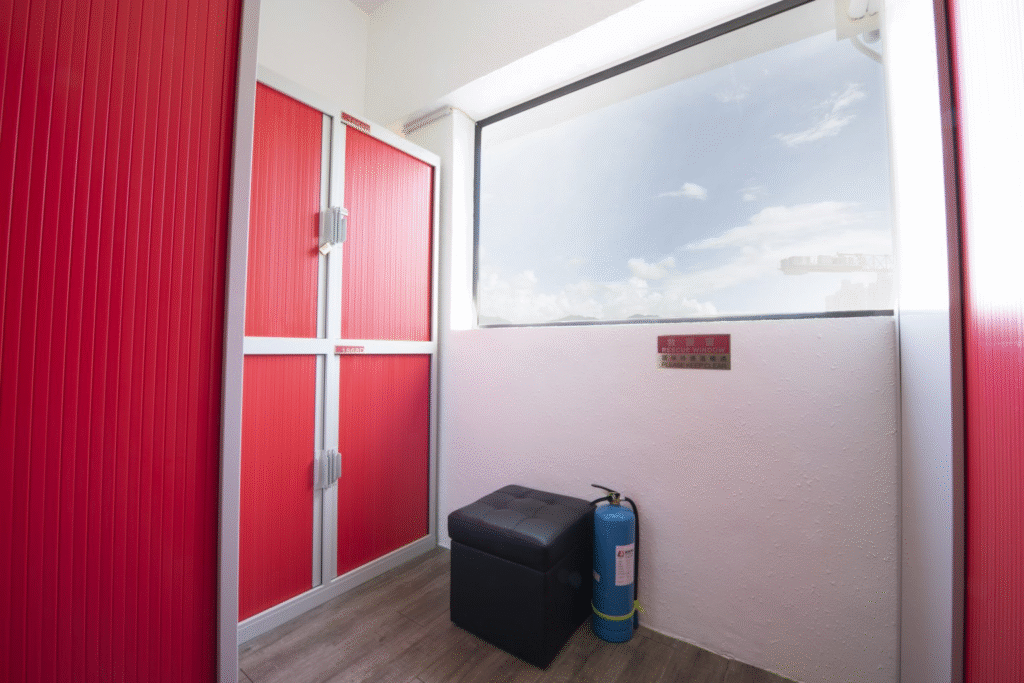
The Rise of the Self-Storage Industry
The concept of self-storage began in the mid-20th century but gained massive popularity in the last two decades. As cities became more crowded and real estate prices increased, people found themselves with less space at home or at work. Families needed places to keep seasonal items, furniture, or heirlooms, while businesses required safe storage for files, stock, or equipment. This demand gave rise to modern self-storage facilities equipped with state-of-the-art security, climate-controlled units, and convenient 24/7 access. According to industry reports, the global self-storage market continues to grow, reflecting how deeply it has become embedded in modern lifestyles.
Benefits of Self-Storage for individuals
One of the main reasons people turn to self-storage is the flexibility it offers. For homeowners or renters, it is an ideal way to manage belongings during life transitions such as moving, downsizing, or renovating. Instead of overcrowding garages or basements, people can store seasonal items like holiday decorations, winter clothes, or sports gear in a storage unit. Self-storage also helps reduce stress by decluttering living spaces, making homes more comfortable and organized. Another major benefit is security—most facilities use CCTV cameras, controlled access systems, and on-site staff to ensure stored items remain safe. For many, this provides greater peace of mind compared to leaving valuables in attics or sheds at home.
Business Uses of Self-Storage
While individuals make up a large portion of customers, businesses are also increasingly using self-storage services. Small businesses, in particular, find storage facilities useful for keeping inventory, documents, promotional materials, or equipment. For example, online retailers can use self-storage as a mini-warehouse to manage stock without paying high rental fees for commercial space. Seasonal businesses, such as those selling holiday decorations or outdoor equipment, benefit from having a flexible storage solution where items can be kept during off-seasons. Additionally, self-storage allows companies to scale easily—units can be rented or downsized based on current needs. This makes it a cost-effective option compared to leasing permanent office or warehouse space.
Features of Modern Self-Storage Facilities
Today’s self-storage facilities are more advanced than ever. Beyond simple units, many centers offer climate-controlled spaces to protect sensitive items like artwork, electronics, or documents from humidity and temperature fluctuations. Drive-up access is another popular feature, allowing customers to load and unload items directly from their vehicle into the unit. Security is a top priority, with gated entry, personal access codes, and round-the-clock monitoring ensuring that only authorized people have access. Some facilities even provide insurance options for added protection. Technology has also enhanced the experience, with online booking, digital payment systems, and mobile apps making storage more convenient than ever before.
Choosing the right Self-Storage Unit
When selecting a self-storage unit, several factors should be considered to ensure the best choice. Size is the most important—facilities offer units in various dimensions, from small lockers to large garage-sized spaces. It is essential to assess how much storage is needed to avoid paying for unused space. Location is another key factor, as proximity to home or work determines convenience for accessing stored items. Security features such as surveillance, gated access, and individual locks should also be evaluated. Climate control may be necessary if storing items like wooden furniture, electronics, or documents. Finally, cost plays a role—while self-storage is generally affordable, prices can vary depending on location, size, and extra services offered.
Environmental and Lifestyle Impact
Self-storage has a positive impact on lifestyle by helping people live more organized, clutter-free lives. By providing temporary solutions during major life events such as moving, marriage, or retirement, storage units reduce stress and make transitions smoother. Environmentally, many storage companies are adopting eco-friendly practices, such as energy-efficient lighting and recycling initiatives, to reduce their carbon footprint. Additionally, by encouraging people to keep belongings instead of discarding them, self-storage indirectly contributes to sustainability by reducing waste.
Common Misconceptions About Self-Storage
Despite its benefits, some misconceptions about self-storage exist. A common myth is that it is only for hoarders or people who cannot manage their belongings. In reality, self-storage is a strategic choice for anyone needing temporary or long-term space. Another misconception is that self-storage is expensive. While costs vary, renting a unit is often cheaper than upgrading to a larger home or office just for additional storage space. Some also assume storage units are unsafe, but modern facilities prioritize security and are often safer than home garages or basements. Understanding these facts helps more people realize the value of self-storage.
Future of the Self-Storage Industry
The self-storage industry shows no signs of slowing down. With continued urbanization, smaller living spaces, and the growth of e-commerce, demand for storage units will remain strong. Future facilities are expected to be even more technologically advanced, with smart access systems, automation, and AI-powered monitoring for enhanced security. Sustainability will also play a bigger role, with greener buildings and energy-efficient designs becoming standard. As lifestyles evolve, self-storage will continue to adapt, offering innovative solutions to meet the changing needs of individuals and businesses alike.
Conclusion
Self-storage has transformed from a simple convenience into a vital part of modern life. Whether for personal belongings during a move, seasonal storage, or business inventory, it provides a secure, flexible, and cost-effective solution for managing space. With advanced features like climate control, high-level security, and technological integration, storage facilities are more reliable than ever before. As cities grow and space becomes increasingly limited, the demand for self-storage will only rise, making it an essential service for individuals and businesses alike. Ultimately, self-storage is not just about storing things—it is about creating more room for life, work, and peace of mind.